
For my group project, the process was simple in the beginning. The first class where we were given the group assignments, we started to brainstorm exactly what AI in Public history was and how it could work for our group. After that we discussed how we could show that and it is when we decided to see how AI could benefit or shorten the entire archival process with the metadata and transcriptions, the chatbot was a secondary idea we created after having the class about AI tools and usages. We then split up the tasks for the project, where I took the metadata creation from selecting the photos to running them in the AI program we chose. I believe that we had completed the contract to our best abilities, we used the exact tools listed on the contract while I had little to nothing with the actual creation of the website, I would continue to review what the others had created on the pages, and had my input included for metadata page as well. We did not advertise our site to my knowledge, but I believe that was due to other courseloads piling up for the group. I followed the schedule very loosely but that was mostly due to technical issues, including the severe weather we had one day that knocked my internet, but I did manage to upload and collect all the information for the slides I was creating for the metadata the program was giving me. One major part of the contract that we did not stick to is the demonstration videos, instead they were turned into sections of the metadata page with what prompts we used and how to determine the effectiveness of the program in the creation itself. For the tasks in specific, I completed all of my listed tasks, and since I knew the photo selection better than Emma, I did take over her section of the metadata creation but that was discussed between the two of us because of how little I knew about website creation and I did not want her to be overworked with both metadata creation and the website development. The content tag compilation did slightly work since the AI program created its’ own tags for both source and content that did work with the Special Collections in a way. Reviewing the information that the AI created was also completed while completing the prompting and plugging of information, some small things did slip through, but that was due to my lack of knowledge about campus in the 1980s and when the school’s name changed. So, during the review I did go back through and highlight any mistakes that Dr. McClurken did point out. The accessibility was not completed since we did not make the actual explanation videos, but the alt-text was created and placed into the website, and we all together worked on the summary/legacy page for our project. In total, I think that we had completed everything to the best of our ability with the semi-freedom that we had with this project topic in general. (515 words)
Changes and Impacts
One major key change that I saw through the readings about being a historian in a society where technology and digitization is becoming increasingly common in the history field is the both the lack and increased amount of trust and credibility that the public is giving historians through the access of historic materials or information being published on the internet. To me, this can be seen majorly through the lack of understanding of the digital history/humanities field as a whole, with how confusing the wording the surrounds the discipline is. I saw this in Blevins article about “Digital History’s Perpetual Future Tense” and how the conversation in this field deals with ‘potential,’ ‘possibility,’ and ‘change’ being the main terms I saw as ways to confuse the public and collegiate students. This field of history is not new in the current year of 2026, but it is still in a transitioning phase because of the new developments in the digital field with more advanced technologies being released to the public and removal of previous tools due to lack of software or placed behind a paywall.
A big impact I think will happen on this field is the rise of Generative AI, it is something that can potentially be used as a tool, which is the whole basis surrounding my project in this course. But, for general digital history, I do not believe that it can be useful in meaningful ways that we as historians try to make our work. Gen. AI has continued to be a very misleading and fallible resource because it does not have the ability to determine which sources have been outdated by new information or a change in general understanding of the certain subject. While Historians can and will make mistakes when creating a piece of work, they have the ability to blame human error or lack of a wider source base. Compared to AI that uses either the whole internet or a large basis of information to create the output about a certain topic, and we have seen the complete false statements that the programs have created about historic subjects because it is using biased or completely false sources coming solely from the internet.
Resume
Update!
Small weekly update, I lost everything when my internet and service went out on Monday, I had prompts pre-written and descriptions to start revising, but alas, since my service went out mid usage of Gemini it did not save anything that I had done. So I have to restart the description process, but this does give some valuable experience and something to note on the project site about making sure that you have clear and stable connection before using a program because it might not save any progress that you have made with the project.
In slightly better news, we have started to curate prompts to ask the program to see how the chatbot will react and give information based on the data we feed it during the prompt.
Digital Identity
The five websites I decided to look over when trying to learn more about digital identities and/or presence, (1) three of them were personal websites containing information that would be necessary for potential employers or grad schools. The last two websites gave information on how to create a proper professional media presence, (2) with tips on what to think about when making content–video, audio, or text–that will be available to the public, and (3) that treating the entire internet–blog posts, comments, etc.–like something that can and will be connected back to your name/identity will create a better digital presence. (4) The last two websites were more helpful in understanding the creation of a digital identity on the professional educator side since it talked about keeping everything separate between your private life and professional life. (5) The last thing I have learnt about a digital identity is that it does not need to be a full professional quality website, but it should have and/or incorporate any prevalent information that your intended audience is looking for.
Project Video
The project video was filmed by me, Connor and Dan wrote the script, and Emma edited the video. In our specific project we want to possibly included audio/visual aspects with making instructional guides on how we used Gemini for the project, and what we are looking for when using these programs in historic analysis of objects.
TimelineJS and StoryMap
Creating and using the sites to make the timelines and the mapping was fairly easy since they had very simple steps.
The timeline that I had created was a simple one based on my life. Since it was something that was very easy to figure out the dates.
The storymap that I had made is about the big picture of the trip to Italia that I am taking this summer and put the major stops.
Using AI
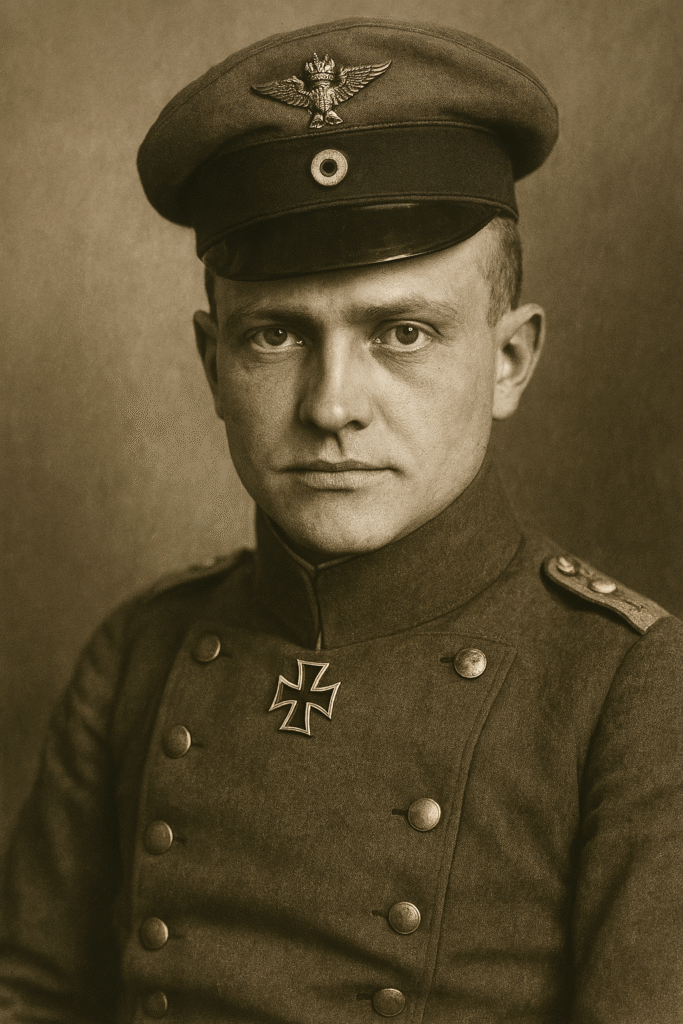
Normally I am very hesitant and reductive to use an AI program for anything, including when the assignment is requiring me to use AI. But for this assignment I used Microsoft CoPilot to create a 2-page paper about Manfred von Richthofen, the Red Baron, in which I prompted “Can you create a two page paper on the Red Baron and how he impacted aviation”
The essay that the program wrote was very comprehensive and had sources at the end of each paragraph it wrote. For this one specific time AI was useful in creating an essay, but in all other parts of Academic work, AI should not be used to create an essay because with written assignments it is supposed to be measuring how much information you have learnt and gathered on a specific topic/idea or person. This does not show how much information I have learnt about the Red Baron or how I interpret the sources surrounding him.
The second part of the first question was to generate an image of the historic figure/event, and I asked “Can you generate a picture of the Red Baron?”
Copilot had generated a very realistic picture of Manfred von Richthofen, however I felt very wrong about using the program to generate the picture. Since I believe that you can use a photo found on an archive or database that correlates with the figure or event.
The second part of this was to find a document and have an AI program transcribe the document. I used Google Gemini for this section, since I know and have been informed that Gemini has a better record of transcription of handwritten documents. The prompt I used was “Can you transcribe this image for me?”, the transcription that I had received from Gemini was decent, it had a couple mistakes in the last names of the soldiers but it had relatively the same information as the Fredericksburg National Cemetery’s website on the specific records page I chose.
Digital Project Reviews
22 January, 2026
With these digital history project sites, I found that I enjoyed when there were multiple paths for me to explore, having the options to see just the content, the sources, the process, or a combination of the whole is something that I would think is beneficial to incorporate into the website that my team is designing. The two main history websites that I had reviewed were from the early to mid- 2000s and some items on the pages show the age of the websites yet there is clear evidence in the continuous preservation in certain parts of the websites (i.e., Valley of the Shadow). For sources, they used a combination of pictures, maps, letters, and records; the pictures can be seen through the website and in the timelines, while the records and letters were used to explain what happened in these locations/events.
Digital Thoughts and Process
January 14, 2026– Week One
For choosing this course, I wanted to add more skills to my resume and have possible opportunities to learn more about new disciplines and avenues in the History field.
With Digital History it is the new addition to the history field that allows for Historians to create and digitize the areas of history they study. Creating new ways to interact with the study and connection of history to the public and other audiences.
On the other side, Digital Humanities is the larger term that encompasses all disciplines within the Humanities field–English, Art, History, and other disciplines–using new technologies to better understand and create new ways to explore the interaction between the academic fields and new and/or developing technologies.
The main difference between these two in my opinion, is the expansive nature of the Digital Humanities compared to the limitation of Digital History. There are also more applications for exploration and advancements in Digital Humanities compared to Digital History where you have to become cross-/interdisciplinary for further exploration and application of technology with history.